
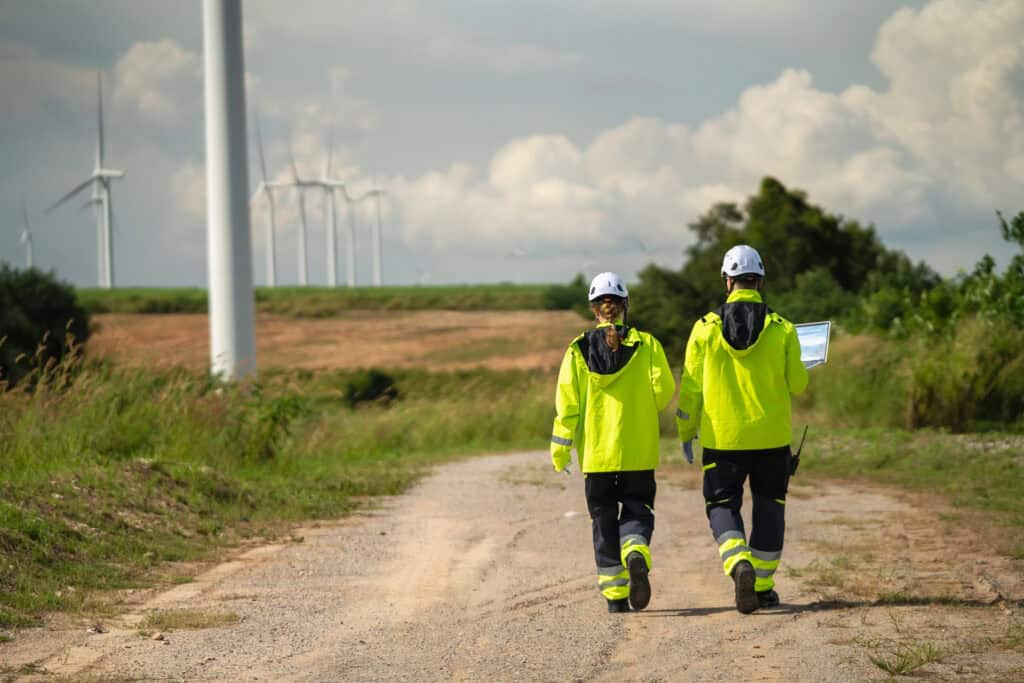
Introduction: August is still a high-risk month
Across Scotland, August is a busy period for renewable energy, infrastructure, forestry and housing projects. Site teams are often trying to complete earthworks, enabling works and commissioning before winter weather and shorter daylight hours slow progress.
But August is not a low-risk month for ecology. Many protected species are still active, survey windows are closing and planning deadlines can be affected if ecological risks are missed.
A common mistake is assuming that ecological constraints reduce after mid-summer. In reality, August can be one of the most sensitive months of the year. Late-nesting birds, active bat roosts, protected mammals, watercourse risks, and invasive species all need careful management.
At Veon Ecology, our CIEEM-accredited Ecological Clerks of Works (ECoWs) work directly with site teams to keep projects moving while maintaining compliance with environmental legislation, NPF4 commitments, and planning conditions.
This guide explains the key ecological risks in August, the role of an advanced ECoW, and how Veon Ecology helps turn ecological constraints into practical project solutions.
Key ecological risks in August
Late nesting birds
Many site teams assume bird nesting season ends on 31 July. This is not always the case.
Some Scottish bird species can still be nesting or supporting dependent young in August, especially where conditions are favourable. This can include:
- Upland waders such as curlew and golden plover
- Late-nesting raptors
- Small birds and thrushes with second or third broods
Under the Wildlife and Countryside Act 1981, it is an offence to damage or disturb active nests or certain protected birds. Before vegetation clearance, flailing, or soil stripping, an ECoW should carry out pre-clearance nesting bird checks within 24 to 48 hours of the work. If an active nest is found, the ECoW can set an appropriate exclusion zone and help the site team adjust the work sequence.
This reduces the risk of stop-work orders, legal breaches, and project delays.
Bat survey and roost risks
August is an important month for bat surveys in Scotland.
Bats are active between April and October, but the best survey period is limited. By late August and early September, maternity roosts may start to disperse, making it harder to confirm roost locations and gather the evidence needed for planning or licensing.
If surveys are missed, planning applications can be delayed until the next suitable survey season.
Where works involve buildings, trees, demolition, or soft felling, an ECoW can:
- Re-check potential roost features before work begins
- Use tools such as endoscopes and thermal imaging where appropriate
- Supervise soft-felling techniques
- Help ensure works remain legally compliant
Protected mammals
August is also a busy period for protected mammals, especially where projects involve heavy earthworks, trenching, or works near watercourses.
Key species include:
- Badgers
- Otters
- Water voles
Heavy machinery near badger setts can cause disturbance or structural damage. Open trenches can also trap mammals overnight.
An ECoW can map protected features, set up exclusion zones, check trenches, install escape ramps, and complete daily pre-start checks near sensitive habitats such as streams, burns, rivers, and woodland edges.
Invasive non-native species
August is a peak growth period for invasive plants such as:
- Japanese knotweed
- Giant hogweed
- Himalayan balsam
If machinery, soil, or water movement spreads these plants, the result can be costly remediation, legal risk, and project delays.
An ECoW can help manage this risk through:
- GIS mapping of invasive species
- Clear site cordons
- Biosecurity zones
- Vehicle wash-down procedures
- Invasive Species Management Plans
- Lawful removal and disposal strategies
Watercourse protection and SEPA CAR compliance
August weather can shift quickly between dry spells and intense rainfall. This increases the risk of soil erosion, silt run-off, and pollution entering nearby watercourses. Under SEPA Controlled Activities Regulations, works that affect the water environment may require compliance with General Binding Rules, registrations, or licences.
Key risks include:
- Silt and sediment pollution
- Low water flows, which make pollution more concentrated
- Poorly maintained silt fencing, check dams, or settlement lagoons
- Machinery or fuel storage too close to water
An ECoW can work with engineers and hydrologists to monitor water quality, inspect pollution control measures, enforce buffer zones, and check controls before and after heavy rainfall.
The role of an advanced EcoW
An advanced ECoW is not there simply to stop work. Their role is to help projects continue safely, legally, and efficiently. If an unexpected ecological issue is found, such as a new badger sett or an active bird nest, the ECoW can:
- Pause work only in the affected area
- Set up a clear exclusion zone
- Help the site manager re-route work
- Keep other areas of the site active
- Liaise with NatureScot, SEPA, or other regulators where needed
- Record evidence for compliance and audit purposes
Digital tools such as GIS mapping, field logs, water monitoring records, and daily audit reports help provide a clear compliance trail for clients, planning authorities, investors, and regulators.
Supporting NPF4 biodiversity commitments
National Planning Framework 4 places greater importance on biodiversity protection and enhancement. Developers must show that projects protect, conserve, and improve biodiversity, not just avoid harm.
An ECoW helps turn planning commitments into real on-site action by supporting:
- Ecological Impact Assessment commitments
- Habitats Regulations Appraisal measures
- Biodiversity Management Plans
- Habitat Management Plans
- Woodland, wetland, and peatland restoration
- Long-term biodiversity monitoring
This helps ensure NPF4 commitments are delivered in practice, not just written into planning documents.
Sector-specific ECoW support
Renewable energy
Wind and solar projects often involve upland, peatland, and watercourse constraints. In August, ECoW support may include raptor checks, peat stability monitoring, supervision of watercourse crossings, and protection of upland habitats.
Infrastructure, housing, and construction
Urban and infrastructure sites often have limited space and tight deadlines. ECoWs can help manage risks linked to bats, badgers, nesting birds, demolition, drainage, and silt control.
Forestry and woodland
Forestry projects can affect protected species, watercourses, and sensitive woodland habitats. ECoW support may include checks for pine marten, black grouse, watercourse buffers, acidic run-off, and clear-felling constraints.
Public sector and land management
Public bodies and land managers must demonstrate good environmental stewardship. ECoWs can support invasive species plans, peatland restoration, habitat creation, and protected species management.
August site readiness checklist
Use this checklist to review your site’s ecological readiness:
- Are nesting bird checks being completed within 24 to 48 hours of vegetation clearance?
- Have bat roost features been checked before demolition, tree works, or structural alteration?
- Have required bat emergence surveys been completed before the seasonal window closes?
- Are badger setts, otter holts, water vole burrows, and other protected features mapped and buffered?
- Are escape ramps installed in trenches overnight?
- Are invasive species identified, cordoned off, and managed through a clear biosecurity plan?
- Are watercourse buffers being enforced?
- Are silt fences, check dams, and settlement lagoons inspected before and after rainfall?
- Is run-off being monitored for turbidity and pH where required?
- Is a qualified CIEEM ECoW appointed and recording site compliance?
Secure ECoW support for your project
In August, major developments in Scotland cannot afford to treat ecology as separate from construction delivery. A qualified ECoW helps keep projects moving while reducing legal, environmental, and commercial risk. Veon Ecology provides CIEEM-accredited ecological support for developers, contractors, forestry managers, renewable energy teams, and public bodies across Scotland and Northern England.
From site clearance to final commissioning, we provide practical, compliant, and solution-focused ecology support. Contact Veon Ecology
To discuss your project or secure a CIEEM-accredited Ecological Clerk of Works, contact our Scottish team:
- Telephone: 01 738 230 300
- Email: info@veonecology.co.uk
- Website: https://veonecology.co.uk
- LinkedIn: Veon Ecology Scotland Ltd.
Head Office: Veon Ecology, Durn, Isla Rd, Perth PH2 7HG, United Kingdom